Source Collapsible Lacrosse Backstop Net for Training, Games, and Practice
Explore 30 options for the collapsible lacrosse backstop net designed for training, games, and practice. Buyers can compare specifications like mesh size, material, and dimensions to find the right equipment for their needs; compare the available evidence and request quotations based on your requirements.
Key considerations
Products List
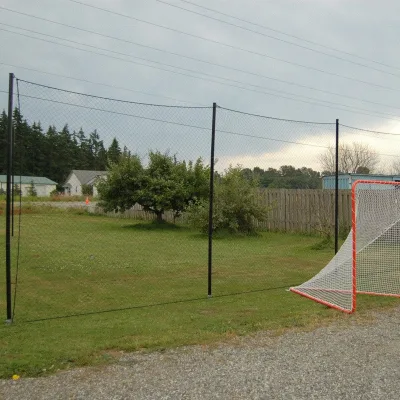
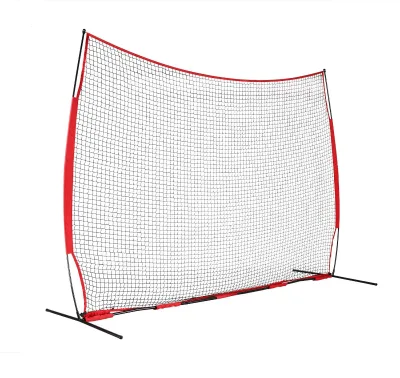
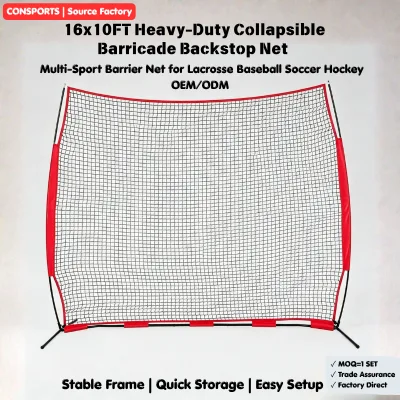
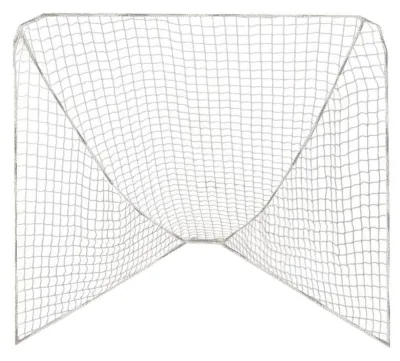
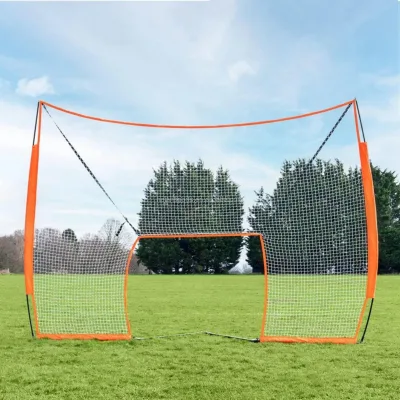
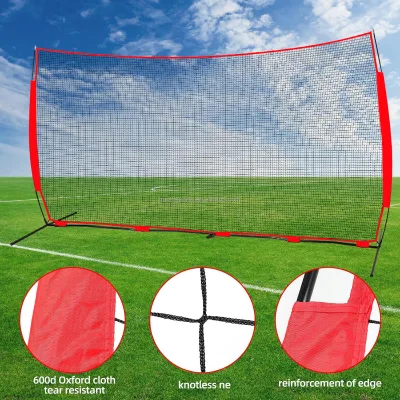
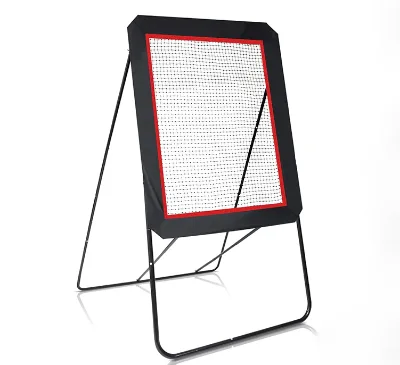
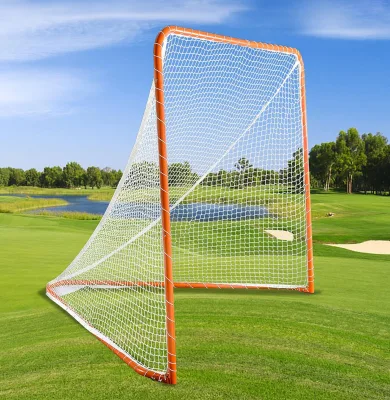
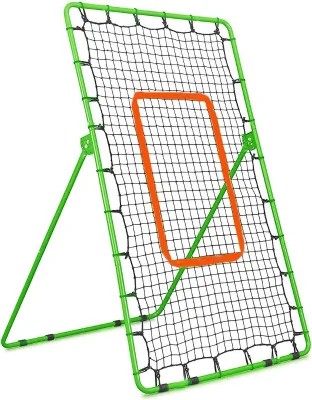
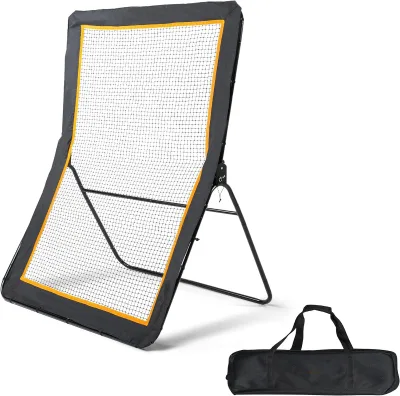


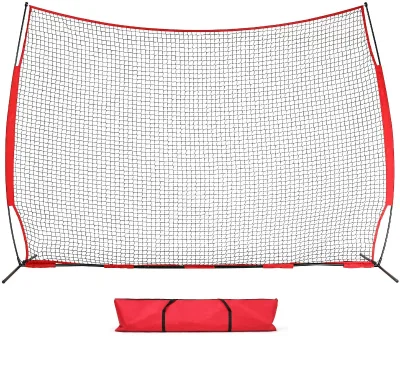


Comprehensive Sourcing Guide
Collapsible Lacrosse Backstop Net Sourcing Guide
Procurement teams must first distinguish between permanent field installations and portable training units when sourcing collapsible lacrosse backstop nets. The market offers distinct product categories, ranging from heavy-duty replacement netting designed for fixed goals to freestanding practice barriers. Buyers should verify whether the listing describes a standalone frame system or a replacement component, as the structural requirements and shipping logistics differ significantly between these two types of equipment.
Understanding the specific application environment is critical for selecting the correct product configuration. While some listings indicate usage for general baseball training and exercise, others specify applications for hockey sports or specific goal replacements. Procurement specialists must align the product's intended use with their facility's needs, ensuring that the selected netting material and frame design can withstand the specific impact forces and frequency of use associated with their particular sport or training regimen.
Product Scope and Observed Listing Signals
The current market inventory reveals a diverse range of specifications, including models with varying dimensions such as 12x9 feet and 10x16 feet, alongside replacement nets with specific mesh sizes like 3mm. Buyers will encounter products with different material compositions, including pure polyester options and composite structures combining polyester netting with metal frames. This variation necessitates a careful review of the product name and model number to ensure the item matches the exact physical requirements of the intended installation or training setup.
Listing signals also highlight significant differences in packaging and weight, which directly impact logistics planning. Some units are packaged as single items in woven bags, while others arrive as complete sets in cartons with defined gross weights ranging from 2kg to over 8kg. Procurement teams must account for these physical attributes when calculating freight costs and storage requirements, as the single package size and total weight can vary drastically depending on whether the order includes a frame or only the netting material.
Technical Specifications to Verify
Verification of mesh size and material composition is the primary technical step for ensuring durability and performance. Buyers should confirm that the mesh dimensions, such as the observed 3x3cm specification, align with the sport's regulations and the desired ball retention rate. Additionally, the material type must be validated, as some products utilize standard polyester while others specify PE or polyester blends, which affect the net's resistance to UV degradation and tensile strength over its expected service life of two to three years.
Frame construction and dimensional accuracy are equally critical for collapsible units that require portability. The presence of a metal frame in certain models suggests a focus on structural integrity for practice scenarios, whereas replacement nets rely on existing goal structures. Buyers must verify the exact size specifications, such as 12x9 feet or 6ftx6ftx7ft, and confirm that the frame design supports the intended usage frequency. Ensuring the model number corresponds to the correct size and material combination prevents mismatches that could render the equipment unusable for its specific purpose.
Compliance and Safety Documentation
Safety compliance for sports equipment often involves verifying that the materials used meet general safety standards for impact absorption and structural stability. While specific certification documents may not be explicitly listed in all product descriptions, buyers should request evidence that the metal frames and netting materials are free from hazardous substances and capable of withstanding high-velocity impacts without failure. This is particularly important for equipment used by youth or in high-intensity training environments where structural integrity is paramount.
Documentation regarding the product's intended age group and usage context should also be reviewed to ensure appropriate safety margins. Listings often specify suitability for unisex-adults, youth-children, or specific training exercises, which implies a design consideration for different impact levels. Procurement teams must ensure that the supplier provides clear usage guidelines that match the demographic of the end-users, confirming that the equipment is safe for the specified age groups and does not present entanglement or collapse risks during active play.
Cost Drivers and Commercial Terms
The commercial landscape for these products is characterized by a wide range of minimum order quantities, from single sets to bulk orders of 2000 units. Buyers must navigate these varying thresholds, as the MOQ can significantly influence the unit price and overall procurement strategy. Understanding the specific MOQ for each model, such as 50 sets for one configuration versus 100 sets for another, allows procurement teams to optimize their order volume to achieve better pricing tiers while maintaining inventory efficiency.
Pricing and payment terms are further influenced by customization options and packaging requirements. Many suppliers offer customized logos and colors, which can add to the base cost of the product. Additionally, the choice between single-item packaging and bulk carton shipping affects the final landed cost. Buyers should clarify whether the quoted price includes the cost of custom branding and specific packaging configurations to avoid unexpected expenses during the finalization of the purchase order.
Supplier Qualification and Quality Control
Supplier qualification should focus on their ability to provide consistent product attributes across different batches, particularly regarding material consistency and dimensional accuracy. Given the observed variations in place of origin, such as listings from Anhui and Guangdong, buyers must assess the supplier's quality control processes to ensure that the polyester netting and metal frames meet the specified standards regardless of the manufacturing location. Consistency in the mesh size and frame strength is essential for maintaining the reliability of the equipment over time.
Quality control protocols must also address the durability claims and the expected service life of the product. Buyers should verify that the supplier has a track record of delivering nets that maintain their structural integrity for the advertised duration, typically two to three years. Implementing a pre-shipment inspection or requesting sample units for testing can help validate the product's features, such as the black or red color options and the overall build quality, before committing to a larger order volume.
Long-Term Procurement Checks
Long-term procurement success depends on establishing a reliable supply chain for replacement parts and future inventory needs. Since lacrosse nets are subject to wear and tear, buyers should confirm the availability of replacement netting and the ability to source matching frames for existing installations. Ensuring that the supplier can provide consistent model numbers and specifications over time prevents the need for costly equipment replacements due to incompatibility with older gear.
Maintenance and replacement cycles should be factored into the procurement strategy to manage the total cost of ownership. Buyers must evaluate the supplier's support for extended product lifecycles, including the availability of repair services or replacement components for damaged sections. By maintaining a relationship with a supplier who understands the specific requirements of collapsible backstop nets, organizations can ensure a steady supply of high-quality equipment that meets their ongoing training and competitive needs.
FAQs
What materials are used for lacrosse backstop nets?
Lacrosse backstop nets are typically constructed from durable PE or polyester materials. These synthetic fibers provide the necessary strength and flexibility for high-impact sports. The mesh size is often standardized at 3x3 cm to ensure proper ball containment. Some models combine polyester netting with a metal frame for added stability during intense training sessions or competitive games.
Can I customize the color of the backstop net?
Yes, customized colors are available for many lacrosse backstop net models. While standard options include black or red, buyers can often request specific hues to match team branding. Customized logos are also frequently acceptable, allowing for personalized branding on the netting or frame. This flexibility supports both individual training needs and organizational team identity requirements.
What is the typical lifespan of a lacrosse net?
The typical lifespan of a lacrosse net is approximately two to three years under regular use. Durability depends heavily on material quality, such as high-grade polyester or PE, and proper maintenance. Exposure to harsh weather conditions can reduce longevity. Regular inspection and storage when not in use help extend the functional life of the netting and its supporting frame structure.
How do I choose the right size for a backstop net?
Choose the right size based on your specific training or game requirements. Common sizes include 12x9 feet for standard backstops and 10x16 feet for wider coverage. Smaller practice nets may measure 6x6x7 feet for targeted drills. Selecting the appropriate dimensions ensures adequate ball containment and safety, while also considering the available space at your training facility or field location.
Are replacement nets available for existing lacrosse goals?
Replacement nets are available for existing lacrosse goals, often featuring a 3mm wire diameter for durability. These replacements are designed to fit standard goal dimensions, such as 6x6x7 feet. They are suitable for various sports including hockey and lacrosse. Buyers can often request customized logos and specific packaging, ensuring a seamless fit and professional appearance for their existing equipment.
What is the minimum order quantity for these nets?
Minimum order quantities vary by product type and supplier. Some items have an MOQ of one set, ideal for individual buyers or small teams. Others may require bulk purchases, such as 50 or 100 sets, to qualify for wholesale pricing. Specific model numbers like WH-NS0126 may have different thresholds. Buyers should verify the exact MOQ for their desired model and customization requirements.